Teaching Kids the Importance of Recycling
Posted on 27/08/2025
Teaching Kids the Importance of Recycling
Recycling is a crucial practice for maintaining our environment, and educating the younger generation about its importance is a step towards a sustainable future. It's essential to integrate recycling awareness into children's lives early on so that it becomes a habit. Here's a comprehensive guide on how to teach kids the importance of recycling.
Why Recycling Matters
Recycling helps reduce waste, conserve natural resources, save energy, and decrease pollution. By recycling, we contribute to the sustainability of the planet. Making kids aware of these benefits can inspire them to adopt eco-friendly practices.
Make Recycling Fun
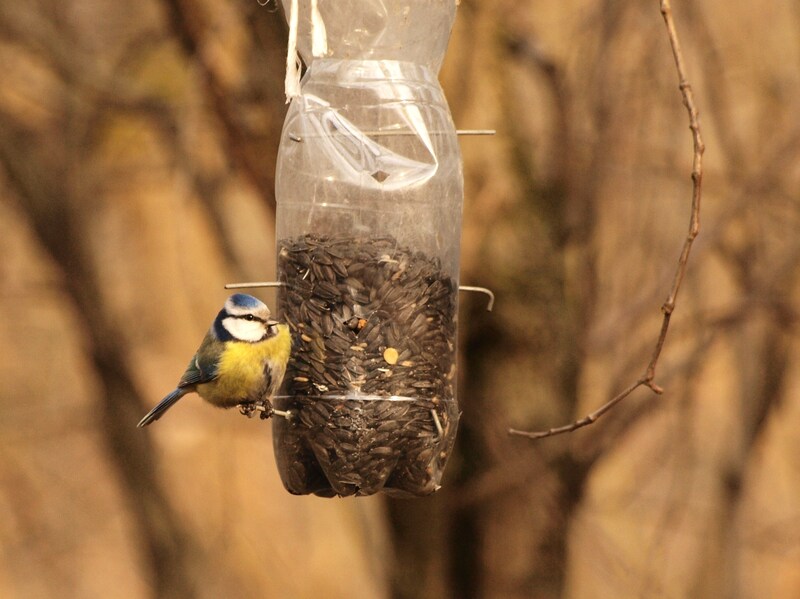
Turning recycling into a fun activity can engage children more effectively. Use colorful bins, create games around sorting recyclables, or start a reward system. Educational crafts using recyclable materials can also be an enjoyable way of reinforcing these concepts.
Lead by Example
Children learn a lot by observing the adults in their lives. Ensure that you are practicing recycling at home. Explain what you are doing and why. Your dedication will create a lasting impression on your kids.
Educational Tools and Resources
There are numerous resources available to help teach children about recycling. Books, videos, and interactive websites designed specifically for kids can provide valuable information in a fun and engaging way. In addition, taking them to recycling centers or involving them in community clean-up activities can offer practical experience.
Incorporate Recycling Education in Schools
Schools play a significant role in shaping our children's understanding of important issues. Work with educators to integrate recycling education into the curriculum. Activities can include science projects related to waste management or initiating a school-wide recycling program.
Explain the Recycling Process
Understanding what happens to recyclables can be fascinating for kids. Describe the journey of a plastic bottle from the recycling bin, through the processing plants, and into new products. This knowledge can make the act of recycling feel more impactful and exciting.
Interactive Learning
Interactive learning can be more engaging for children. Create recycling challenges or scavenger hunts to find and sort recyclable items. Apps and online games focusing on environmental education can also make learning about recycling more intriguing.
Encourage Creative Recycling
Encouraging kids to think creatively about recycling can promote innovative thinking. Challenge them to find new uses for old items or create art projects with recyclables. This not only makes recycling fun but also shows practical applications.
Pros and Cons of Teaching Kids About Recycling
**Pros:**
1. Encourages Lifelong Eco-Friendly Habits: Early education on recycling cultivates habits that can last a lifetime.
2. Conservation of Resources: Children learn the importance of conserving natural resources.
3. Reduction of Waste: Educated children can help reduce the amount of waste going to landfills.
4. Community Involvement: Promotes a sense of community and responsibility.
**Cons:**
1. Initial Time and Effort: Teaching children about recycling requires time and effort.
2. Complexity of the Process: Some recycling processes can be complex and hard for young children to grasp fully.
3. Inconsistent Practices: Varied recycling practices in different regions can cause confusion.
Tips for Teaching Kids About Recycling
1. **Start Young:** Introduce recycling concepts early.
2. **Make it Visual:** Use colorful bins and labels.
3. **Involve Them in the Process:** Let them help sort and take out recyclables.
4. **Be Creative:** Use crafts and games to make learning fun.
5. **Educate Continuously:** Keep reinforcing the learning through different activities and discussions.
6. **Use Real-Life Examples:** Show them the difference recycling can make in the real world.
Takeaways
- Recycling is crucial for environmental sustainability.
- Making learning fun and interactive can help engage children.
- Schools and communities play significant roles in recycling education.
- Continuous reinforcement and leading by example are key to instilling these habits.
Conclusion
Teaching kids the importance of recycling is a vital step toward ensuring a sustainable future. By integrating recycling into their daily routines and making it a fun, engaging process, we can foster an environmentally conscious generation. With consistent effort and creative approaches, we can instill the value of recycling in our children, benefitting both them and the planet.
By leading by example and utilizing available resources and tools, we can educate kids effectively on the significance of recycling, highlighting its benefits while making learning both exciting and informative. Teaching kids about recycling not only helps protect the environment but also imbues them with a sense of responsibility and community pride.
Latest Posts
Resource Efficiency with Polystyrene Recycling
Essential Hacks for a Tidy Home